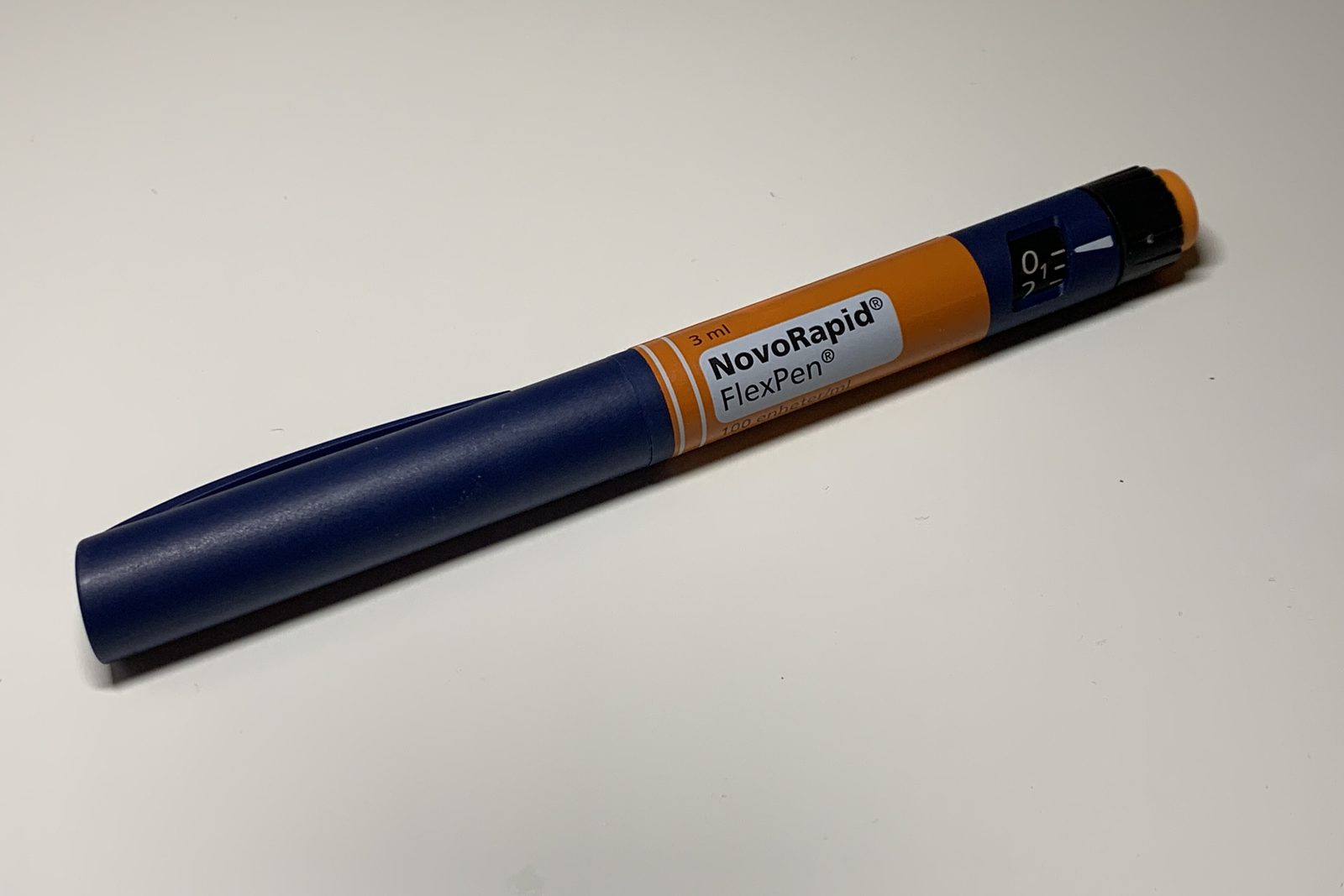

A peptide is “TGA-approved” when a product containing it has been included in the Australian Register of Therapeutic Goods (ARTG) after the TGA has assessed it for quality, safety and effectiveness. The approved peptide medicines include insulins, GLP-1 receptor agonists such as semaglutide and liraglutide, the dual agonist tirzepatide, oxytocin, desmopressin and octreotide; the peptides marketed online for recovery, muscle or anti-ageing, such as BPC-157 and TB-500, are not on the register.
This report lists examples we verified on the ARTG on 5 November 2026, explains what approval does and does not mean, and shows how to check any product yourself.
What approval means
The TGA describes the ARTG as the register of therapeutic goods that can be supplied in Australia. Products that are not included “are generally referred to as ‘unapproved’ therapeutic goods”, which means the TGA has “not assessed them for quality, safety or effectiveness” (TGA). Before approval, it says, peptide-based medicines “are tested broadly in human clinical trials”, and that evidence forms part of the submission it assesses.
Approval is product by product, not substance by substance. An approval covers a particular product from a particular sponsor, in a particular form and strength. A vial bought online containing the same named ingredient as an approved medicine is not an approved product.
Peptide medicines on the ARTG: verified examples
The TGA’s own examples of approved peptide-based medicines are “insulin and insulin analogues”, “glucagon-like peptide-1 (GLP‑1) receptor agonists such as semaglutide”, “oxytocin”, “vasopressin analogues such as desmopressin” and “somatostatin analogues such as octreotide” (TGA). Sport Integrity Australia adds somatropin, the growth hormone medicine, and vasopressin to its list of registered therapeutic peptides (Sport Integrity Australia). The table shows products we found on the ARTG, with the earliest entry date the search returned.
| Active ingredient | Example product (sponsor) | Earliest ARTG date shown |
|---|---|---|
| Choriogonadotropin alfa (hCG) | Ovidrel (Merck Healthcare) | 17 September 2003 (search) |
| Liraglutide | Saxenda (Novo Nordisk) | 24 December 2015 (search) |
| Semaglutide | Ozempic (Novo Nordisk) | 28 August 2019 (search) |
| Afamelanotide | Scenesse implant (Clinuvel) | 18 November 2020 (search) |
| Semaglutide | Wegovy (Novo Nordisk) | 1 September 2022 (search) |
| Tirzepatide | Mounjaro (Eli Lilly) | 23 December 2022 (search) |
The register keeps changing. Wegovy semaglutide tablets, an oral form, were entered on the ARTG on 3 November 2026, two days before this report was checked. Every one of the products in the table is a prescription medicine; the ingredients above that are named in the Poisons Standard, including liraglutide, semaglutide, tirzepatide, afamelanotide and the insulins, are in Schedule 4.
A close relative is not an approval
Afamelanotide is a useful example of why names matter. The Poisons Standard index cross-refers it to melanocyte stimulating hormone and melanotan I, and it is approved as the Scenesse implant. Melanotan II, which is promoted online for tanning, is a different substance: the TGA says it “is a prescription-only medicine in Australia and is not approved for use as a tanning agent” and that “there are currently no products containing Melanotan II included in the Australian Register of Therapeutic Goods” (TGA, August 2026).
The peptides that are not approved
For the peptides in our register that are sold as research chemicals, the sources are consistent:
- BPC-157 is not listed on the ARTG (Sport Integrity Australia).
- Thymosin beta-4 (TB-500) “is not approved by the TGA” (Sport Integrity Australia).
- Ipamorelin “is not an excipient or active in any medicines” on the ARTG (Sport Integrity Australia).
- Ibutamoren (MK-677), which is not a peptide, “is not listed” on the ARTG (Sport Integrity Australia).
- Retatrutide is still in clinical trials and “has not been approved by the TGA or any comparable international regulator” (TGA).
- ARTG searches for CJC-1295 and GHRP-6 returned no results on 5 November 2026.
The TGA’s April 2026 advisory names BPC-157, GHK-Cu, TB-500, retatrutide and CJC-1295 as examples of unapproved peptide products (TGA advisory).
Approved does not mean over the counter
Many approved peptide medicines are prescription-only. The TGA notes that such medicines “can only be prescribed, dispensed or supplied by authorised health practitioners and cannot generally be advertised to the public” (TGA).
Compounded versions are not TGA-approved
A medicine made up by a compounding pharmacy is not the approved product, even when it contains the same active ingredient. Sport Integrity Australia puts it plainly: such a medication “may not be approved by the TGA and would be considered an unregistered medicine” (Sport Integrity Australia). For GLP-1 medicines the question is now settled by law: since 1 October 2024 pharmacists have not been able to compound medicines containing GLP-1 receptor agonist analogues (TGA). Our report on GLP-1 medicines covers that change.
Approved peptides in sport
An approved medicine can still be banned in sport. The WADA 2026 Prohibited List places insulins under S4.4.2, hormone and metabolic modulators, and chorionic gonadotrophin under S2.2.1 for males. Approval matters here in a different way: Sport Integrity Australia says a Therapeutic Use Exemption may be granted when a medical practitioner prescribes a prohibited peptide such as insulin, while an exemption is unlikely to be granted for an unregistered medicine (Sport Integrity Australia). The GLP-1 medicines semaglutide and tirzepatide are not prohibited, though their markers are on WADA’s Monitoring Program.
How to check a product yourself
- Open the ARTG search and search the active ingredient, then the brand name. The search is broad, so read each result’s product name.
- Check that the product, form and sponsor match what you have been offered or prescribed.
- If there is no matching entry, treat the product as unapproved. The TGA says products outside the ARTG have not been assessed for safety, quality or effectiveness.
- For counterfeit concerns, the TGA advises buying medicines only from reputable sources and reporting suspected fakes.
Counterfeits of approved medicines are a live problem. The TGA says counterfeit medicines are prohibited from import “under any circumstances”, even with a prescription (TGA), and Peptide Testing Australia has a readable account of how fake and contaminated peptides turn up.
Questions readers ask
Is BPC-157 TGA approved?
No. BPC-157 is not listed on the ARTG, and the TGA names it as an example of an unapproved peptide product. It is in Schedule 4 and Appendix D, clause 5 of the Poisons Standard, which is a control, not an approval.
Is Wegovy TGA approved?
Yes. Wegovy semaglutide pens were first entered on the ARTG on 1 September 2022, and tablet forms were entered on 3 November 2026. It is a Schedule 4 prescription-only medicine.
Are any peptides available without a prescription?
The approved peptide medicines in this report are all prescription medicines. Peptide ingredients in cosmetics are regulated differently when the product’s claims and intended use are limited to cosmetic purposes.
Is compounded semaglutide TGA approved?
No. Compounded medicines are not assessed and approved by the TGA, and since 1 October 2024 pharmacists have not been permitted to compound medicines containing GLP-1 receptor agonist analogues such as semaglutide.
Sources
- TGA: How we regulate therapeutic peptide products
- Sport Integrity Australia: Peptides explained
- TGA: ARTG search
- Poisons Standard, October 2026 (F2026L01327)
- TGA safety advisory, 17 August 2026: Melanotan II
- Sport Integrity Australia: BPC-157
- Sport Integrity Australia: Thymosin beta-4
- Sport Integrity Australia: Ipamorelin
- Sport Integrity Australia: Ibutamoren (MK-677)
- TGA safety advisory, 14 September 2026: counterfeit retatrutide
- TGA safety advisory, 13 April 2026: responsibilities for unapproved peptide products
- TGA: Update on the GLP-1 RA pharmacy compounding changes
- TGA: Personal Importation Scheme